
How Internships Improve Your Resume and Job Prospects?
Landing your first job as a fresher can feel overwhelming. Thousands of graduates step into the job market every year, all with similar degrees. So how do you make your resume stand out in this sea of competition?
The answer is simple: Internships.
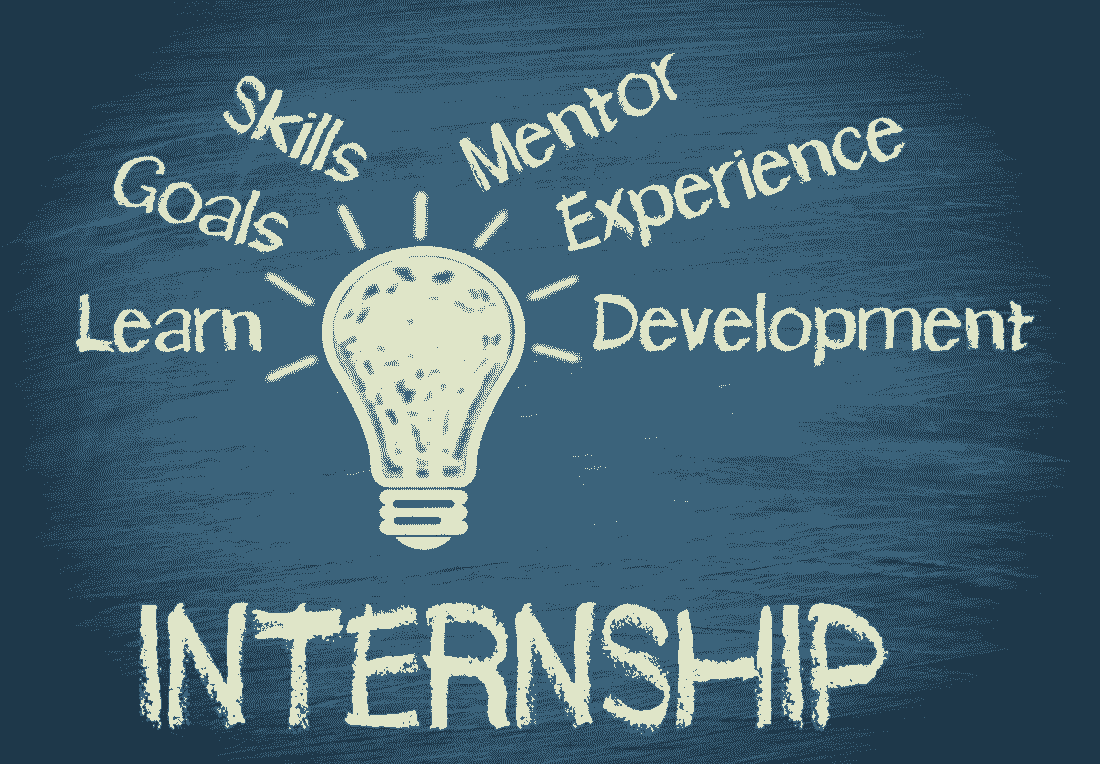
Internships act as the missing link between academic learning and professional experience. They not only polish your skills but also make your resume powerful enough to catch the attention of recruiters.
Why Internships Are More Than Just “Work Experience”?
When students hear “internship,” they often think of a short training period. But in reality, internships are career-building experiences. They help you:
How Internships Make Your Resume Stronger?
Your resume is often the first impression you make on an employer. Here’s how an internship makes it shine:
Adds Professional Experience to a Fresher’s Resume
Instead of showing “No Experience,” you can proudly list your internship projects and responsibilities.
Showcases Real Skills
Employers don’t just want to see your degree—they want to know what you can do. Internships let you list specific tools, technologies, and tasks you’ve handled.
Highlights Soft Skills
From teamwork to communication, recruiters value these skills just as much as technical knowledge. Internships show you’ve practiced both.
Tells Your Career Story
Instead of being “just another graduate,” your resume reflects initiative, learning, and direction.
Improves Resume Keywords (ATS-Friendly)
Many companies use software to scan resumes. With internship details, you can include industry keywords (like “market research,” “financial analysis,” or “project management”, “data analysis”) that improve your chances of getting shortlisted.
How Internships Boost Your Job Prospects?
Candidates with internship experience often move ahead in the hiring process. Recruiters prefer someone who needs less training and can contribute from day one.
Instead of giving generic answers, you can share examples from your internship experience—impressing recruiters with practical knowledge.
During internships, you interact with professionals, managers, and sometimes even HR recruiters. These contacts can recommend you for future roles or offer job opportunities.
Many companies hire their interns full-time after the training period. This means your internship could directly convert into your first job offer.
Sometimes students discover they’re passionate about a field during internships. Other times, they realize a career isn’t the right fit—and that’s equally valuable.
If you’ve done internships in reputed companies or high-demand fields, it improves your chances of applying for international jobs and higher studies.
Real-Life Example
Let’s imagine two graduates applying for a marketing job:
Who do you think the recruiter will prefer?
Of course, Candidate B—because they already have job-ready skills and practical experience.
The Bigger Picture – Internships Build Careers
In today’s job market, internships are not optional; they are essential. Here’s why:
Frequently Asked Questions
Q1. Do internships really matter for freshers?
Yes, internships give you practical exposure and make your resume stronger, which recruiters value more than just grades.
Q2. Can unpaid internships still help my resume?
Absolutely. What matters is the experience, skills, and projects you can showcase, not the pay.
Q3. How many internships should I do before graduation?
Even one well-structured internship can make a huge difference, but multiple experiences in different roles can give you an edge.
An internship is not just about learning—it’s about transforming yourself into a job-ready professional. It builds your resume, enhances your job prospects, and gives you the confidence to start your career journey strong.
So if you’re a student, don’t wait until graduation. Start looking for meaningful internships today—it could be the smartest investment in your future career.